

 See My Latest Article on HelloNation
What Are the Most Cost-Effective Flooring Options for Local Homes?
Many residents of Rochester, NY seek durable, attractive floors without high costs. Effective budget choices often include vinyl plank, laminate, sheet vinyl, basic ceramic tile, painted plywood, and carpet tiles. These options balance affordability with resilience against local climate swings and seasonal moisture.
- Vinyl Plank and Sheet Vinyl: Both mimic wood or stone at a much lower price. Luxury vinyl plank is waterproof and holds up well to winter boots, slush, and salt tracked in from Rochester’s snowy streets. Sheet vinyl is seamless and easy to clean.
- Laminate Flooring: Laminate presents the look of hardwood with easier DIY installation. Modern laminates resist scratches and fading, a plus for households with pets or kids.
- Carpet Tiles: Modular carpet squares allow for easy replacement if a section is stained or damaged. Useful for basements or playrooms, especially where dampness is a concern.
- Basic Ceramic Tile: Among tile types, simple ceramic squares are the most cost-effective. They handle moisture well and work especially for kitchens, entryways, or bathrooms.
- Painted or Stained Plywood: For ultra-budget renovations, some owners paint or finish plywood subflooring, creating a rustic effect suitable for utility rooms or workshops.
Does DIY Flooring Save Money in Rochester, NY?
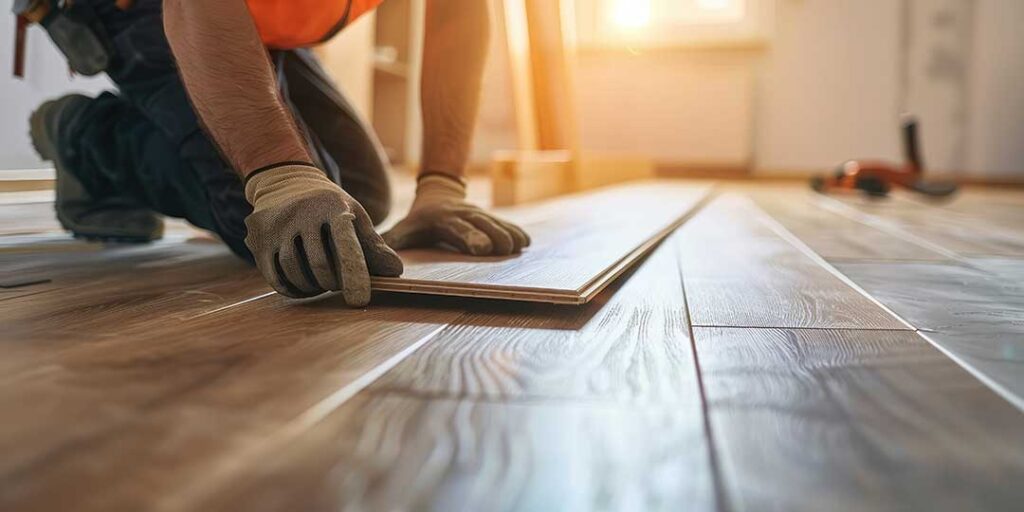
Self-installation can significantly cut labor costs, but not all flooring types are equally manageable for beginners. Many local residents successfully install floating floors—such as laminate, vinyl plank, or carpet tiles—with basic hand tools and patience. However, ceramic tile and large sheet vinyl often require more advanced skills and precise measurement.
DIY flooring may be a strong choice if:
- You are comfortable with detailed instruction and measuring.
- Room shapes are simple, with minimal cuts around obstacles.
- Traffic and moisture are moderate, avoiding the need for specialty underlayments or barriers.
Always research product-specific instructions and prepare for disposal of old flooring in line with area waste guidelines. For larger or multi-level projects, consider safety and local code requirements, especially if floor height or thresholds will change.
How Does Local Climate Influence Flooring Choices?
Rochester’s weather features humid summers and cold, snowy winters. These extremes shape which affordable materials truly stand up over time.
- Waterproof and Moisture-Resistant Materials: Vinyl products and tile resist the water, slush, and road salt that often enter homes during winter months or rainy springs.
- Thermal Insulation: Carpet tiles, thicker vinyl, and underlayment offer a warmer surface compared to bare tile or laminate in rooms with less basement insulation.
- Seasonal Expansion: Wood and some laminates may expand or contract due to humidity swings typical in the area. Consider allowing materials to acclimate indoors for 48 hours before installation to reduce buckling.
Are There Hidden Costs with Budget Flooring Materials?
While material prices are low, Rochester homeowners should watch for these potential extra expenses:
- Floor Preparation: Subfloor repairs or leveling may be required to avoid premature wear or gaps. Prep can add both time and cost.
- Underlayment: Some floating floors require special padding for cushion or vapor barrier—especially in basements where moisture is common.
- Trims, Thresholds, and Transitions: These finishing items assure a smooth look and prevent tripping hazards but are not always included in basic flooring kits.
- Waste Disposal Fees: The city may have specific rules or costs for discarding old flooring, particularly if carpeting contains adhesives or tile contains asbestos.
Which Flooring Options Work Best for High-Traffic or Wet Areas?
For entryways, kitchens, laundry rooms, and basements, water and boot traffic are among the biggest challenges.
- Vinyl Plank and Sheet Vinyl: The best value for wet or frequently cleaned spaces. Sheet goods offer minimal seams for spills to slip into.
- Ceramic Tile: Handles standing water and can be cleaned easily. Grout sealing is important to prevent staining.
- Painted Concrete or Plywood: An inexpensive, practical option for basements or workshops prone to puddles or heavy duty use.
- Carpet Tiles: Provide warmth and softness in basements, with the bonus of easy replacement if flooding or staining occurs.
What Are Common Misconceptions About Cheap Flooring Solutions?
Many believe budget floors won’t last. In fact, several modern materials outlast older products if installed and maintained correctly. Consider these clarifications:
- Not all “budget” flooring looks fake; new vinyls and laminates are authentic in appearance and texture.
- Low cost does not always mean low quality—often, the core difference is simpler design or fewer color choices.
- Many affordable floors are environmentally safer today, with voluntary certifications for indoor air quality.
- Noise issues associated with laminate or vinyl can often be managed with underlayment or rugs.
How Can Rochester Residents Extend the Life of Affordable Floors?
Proper care makes a big difference for longevity. Sweep or vacuum frequently to remove grit from snow and salt. Place mats at high-traffic doors, especially during winter months. Clean up spills promptly, particularly on laminate and plywood, to prevent swelling or stains. Use gentle, non-abrasive cleaners—harsh products may dull surfaces over time.
Rotating area rugs or furniture can prevent uneven wear, and touching up scratches or seams keeps floors looking new for longer. With thoughtful maintenance, budget-friendly flooring can serve the needs of Rochester households for years.