

 See My Latest Article on HelloNation
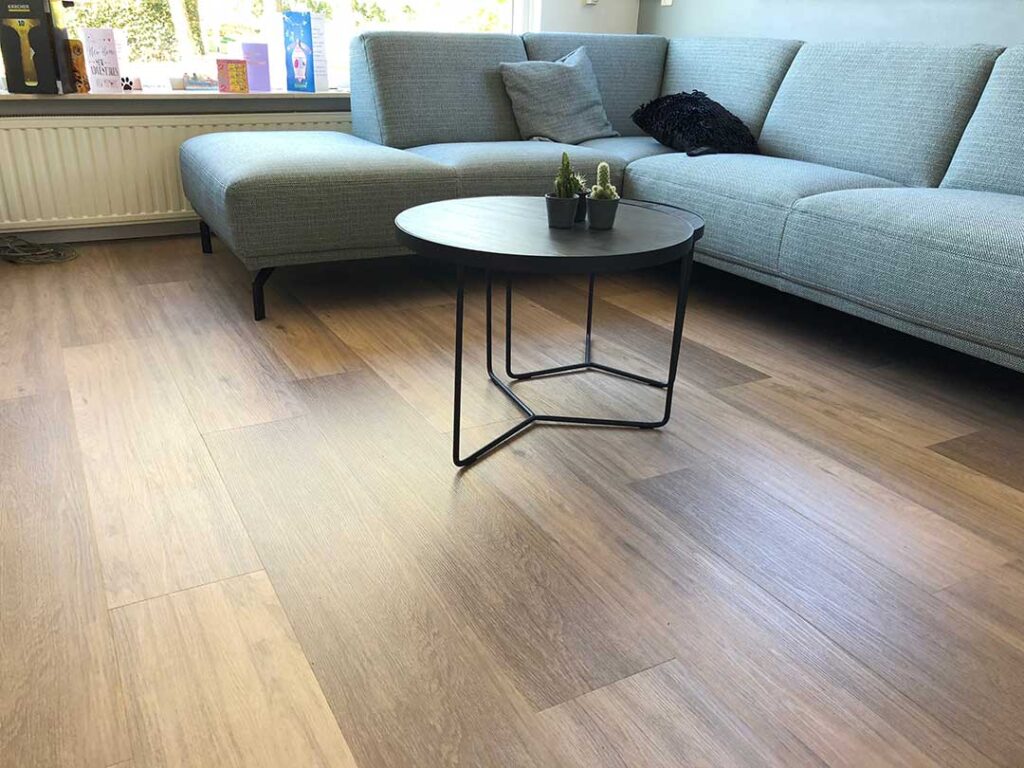
Is Vinyl Plank Flooring Truly Waterproof?
Vinyl plank flooring is often marketed as “waterproof,” but whether it lives up to the promise depends on the type of vinyl, how it’s installed, and what “waterproof” means in a real-world environment. For households in Rochester, NY, which experience cold, wet winters and humid summers, understanding the difference between water-resistant and waterproof is especially important when making flooring decisions.
What Does Waterproof Really Mean for Flooring?
In everyday language, “waterproof” suggests that a material won’t be damaged by water, no matter how much or for how long it’s exposed. For flooring, though, most products are designed to handle spills and moisture on the surface, but not necessarily withstand floods, leaks, or standing water over extended periods.
Vinyl plank flooring is made from synthetic materials that do not swell, warp, or rot from contact with water the way hardwood or laminate might. This makes it a practical choice for kitchens, bathrooms, mudrooms, and basements in local homes. However, the edges, seams, and underlayment can be points of vulnerability, especially if water seeps through cracked grout or poorly sealed edges.
Are All Types of Vinyl Plank Flooring Waterproof?
Most rigid core vinyl planks — including those labeled as luxury vinyl plank (LVP) or stone polymer composite (SPC) — are considered highly water-resistant across their entire structure. This means:
- The individual planks won't absorb water.
- Occasional spills can usually be wiped without leaving persistent damage.
- Pet accidents or tracked-in snow can be cleaned up with minimal risk.
However, “waterproof” doesn’t apply to every aspect of an installed vinyl plank floor. Water can still seep through seams or along the perimeter and get below to the subfloor, especially if pooling is left for hours or days. This is a relevant concern in Rochester, given common issues like snow melt from boots and seasonal humidity that might encourage moisture under the surface.
What Are Common Misconceptions About Vinyl Plank Flooring and Water?
A common misunderstanding is that “waterproof” flooring will always prevent water damage in basements, bathrooms, or laundry rooms. Here are a few situations where problems may still occur:
- Subfloors: If water leaks below the vinyl planks (for example, from a malfunctioning appliance), water can become trapped and damage the subfloor, whether it’s wood or concrete.
- Edges and Seams: Even click-lock systems can allow minor seepage if not perfectly installed or sealed. Major spills or recurring puddles may eventually find a way through.
- Mold and Mildew: While the vinyl itself won’t mold, trapped moisture below the planks can foster hidden mold growth in organic materials.
Does the Rochester, NY Climate Impact Vinyl Flooring Performance?
The city’s four-season climate demands flooring that can handle frequent wet conditions, road salt, and winter boot traffic. In most family homes, vinyl plank flooring will stand up well to:
- Melting snow and road salt tracked in from outside, provided puddles are not left for hours.
- Occasional spills from messy spring thaws, storms, or children’s activities.
- Periodic mopping, as vinyl plank flooring tolerates damp cleaning better than traditional hardwood or laminate.
Basements, however, are prone to groundwater seepage or occasional flooding after storms. If a sump pump malfunctions or a major leak occurs, vinyl plank flooring may float, shift, or allow water underneath, even though the planks themselves remain undamaged. In these cases, drying the subfloor as quickly as possible is critical to prevent mold and restore healthy indoor conditions.
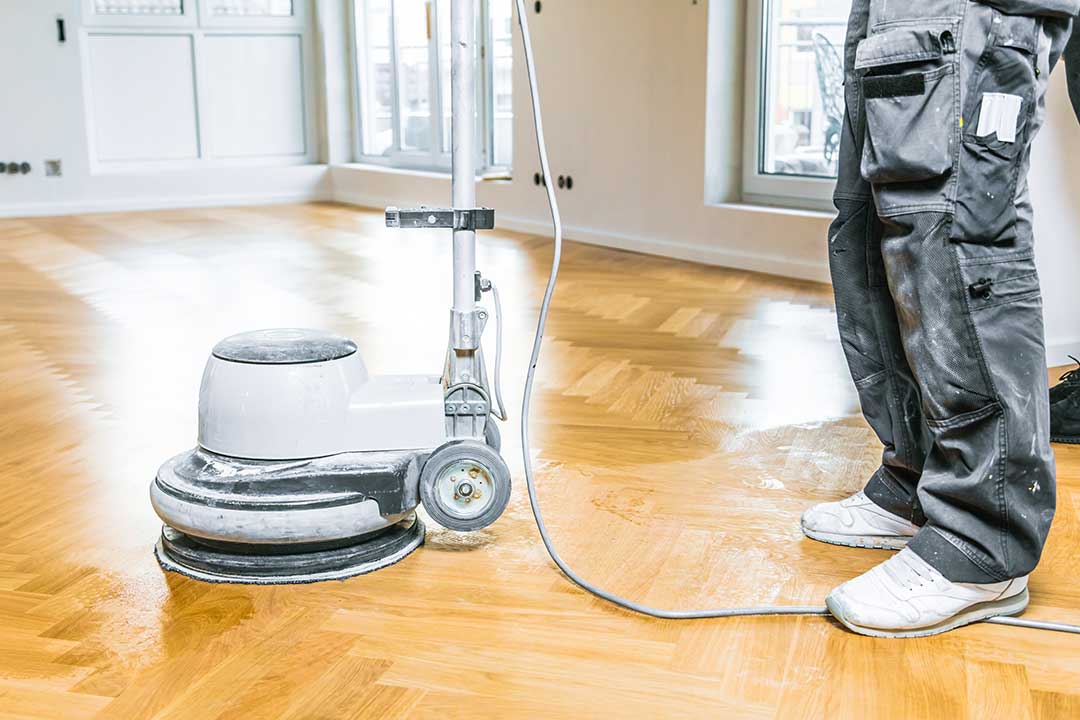
How Should Residents Care for Their Vinyl Plank Flooring?
To maintain the “waterproof” benefits in area homes:
- Wipe up spills promptly, especially near seams and edges.
- Use mats at entryways to catch melting snow and water.
- Avoid using steam cleaners, which can force moisture into the seams.
- Regularly check for gaps along transitions, edges, or around fixtures.
In rooms with high water exposure, such as bathrooms and laundry areas, use flexible caulk along baseboards and fixtures, and consider sealing seams if recommended by the manufacturer. While the flooring is unlikely to be harmed by brief water contact, preventing water from getting underneath will ensure it performs well for years.
What Happens If an Unexpected Flood or Leak Occurs?
If a pipe bursts or significant water enters a room, vinyl plank flooring can usually be dried, disinfected, and reinstalled after the subfloor is fully dry. The planks can be removed and reused in many cases because they do not swell or deteriorate. However, homeowners should keep an eye out for signs of persistent moisture or odors that might suggest trapped water under the floor.
For basements or below-grade areas that are prone to repeated water intrusion or flooding, additional waterproofing measures for the foundation or a back-up sump pump may offer better long-term protection than flooring alone.
Does Vinyl Plank Flooring Protect Against Surface Water and Spills?
Vinyl planks make daily life easier for households—pets, children, or frequent guests are unlikely to cause lasting damage from dropped drinks or melted snow. Most planks feature a durable, water-resistant wear layer, allowing easy cleanup without staining or warping.
However, care should be taken with large quantities of water left for extended periods. Wicking at seams or between planks remains a possibility over time, especially in areas where furniture prevents quick drying.
Bottom Line: Is Vinyl Plank Flooring Waterproof?
For everyday household use in the city—like cleaning up after slushy boots, occasional kitchen mishaps, and even damp mopping—vinyl plank flooring offers the nearest thing to “waterproof” durability among common flooring materials. The planks themselves are fully water-resistant, but the overall installation, subfloor type, and maintenance habits will make the biggest difference in long-term performance.
Residents should expect strong durability for typical spills but understand limitations in the face of major leaks, floods, or chronic moisture below the floor’s surface. Thoughtful use and regular upkeep will help area homes benefit from the practical advantages of modern vinyl plank flooring.