

 See My Latest Article on HelloNation
Do Carpet or Hardwood Floors Make a Bigger Difference for Allergies in Rochester, NY?
Carpet and hardwood often get compared by people concerned about allergies. The answer depends on how each surface interacts with dust, pollen, pet dander, and the reality of living in a city where seasonal changes and older home construction can increase allergen exposure. For many Rochester, NY households, understanding these differences is key to making informed decisions.
How Does Each Flooring Type Affect Allergen Buildup?
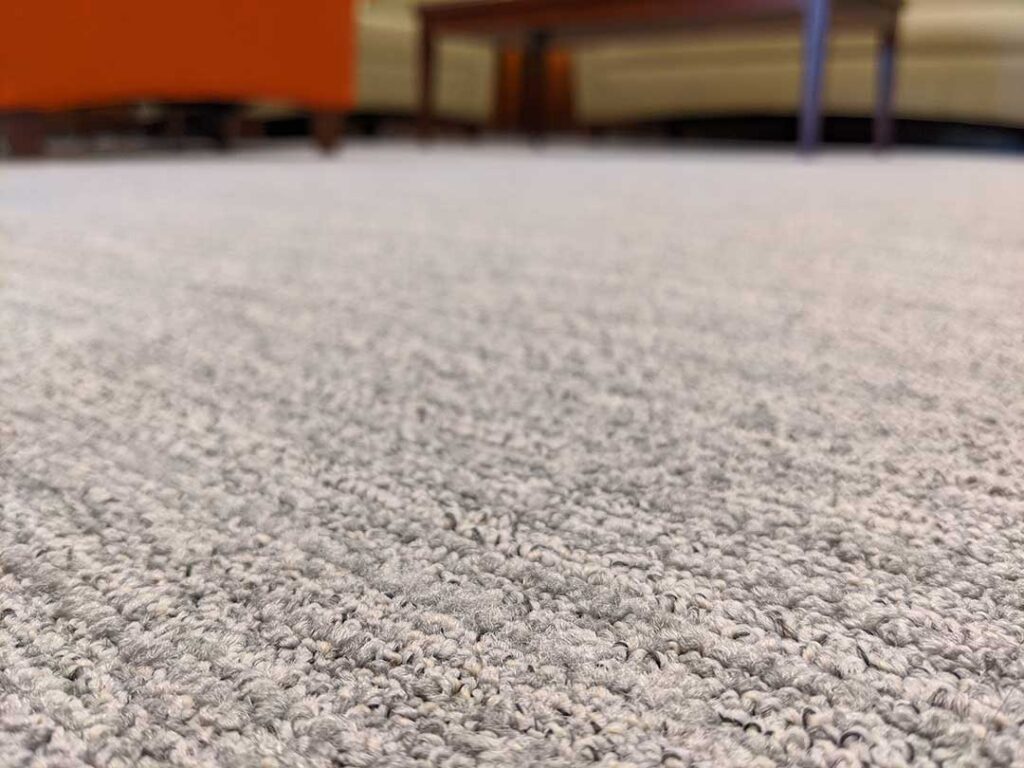
Hardwood flooring is generally less likely to collect allergens than carpet. With smooth, sealed surfaces, dust and pollen are easier to see and remove. Carpet, especially deep pile varieties, can trap particles below the surface where normal vacuuming may not fully remove them.
In homes throughout the city:
- Hardwood and other hard-surface flooring allow for thorough cleaning of visible dust, pet hair, and tracked-in pollen.
- Most carpets, especially older or higher-pile options, tend to trap moisture and particles, especially in corners and high-traffic zones.
Seasonal shifts in Rochester can also play a role. Pollen released during spring and molds common in damp basements during fall often settle into carpet fibers more readily than onto a hard surface.
Are There Common Misconceptions About Carpet and Allergies?
Many assume that installing hardwood is the only solution for allergy relief, but this isn’t always the case. Some people with sensitivities have manageable symptoms with regular carpet cleaning and good humidity control. On the other hand, neglecting maintenance—regardless of flooring—can worsen indoor air quality.
A few overlooked factors:
- Modern carpets marketed as “low-VOC” or designed for allergy resistance may still trap allergens if not regularly deep-cleaned.
- Even hardwood can collect dust in cracks, under baseboards, or between planks, especially in older homes with original flooring.
- Area rugs, upholstery, and curtains add to the allergen load—so replacing wall-to-wall carpet with hardwood but keeping multiple textiles may not significantly reduce symptoms.
How Do Local Climate and Lifestyle Factors in Rochester Influence the Choice?
Rochester’s winters mean closed windows, less ventilation, and more time spent indoors. This makes regular cleaning even more essential. Hardwood’s ease of cleaning can be a real advantage during the months when air circulation is limited.
Considerations for area households:
- Snow and salt tracked inside often settle on all floors, but are easier to sweep or mop from hardwood.
- In older homes with existing carpet, thorough replacement or professional cleaning can reduce long-built-up allergens.
- Basements and lower-level rooms are often more humid in the city, and damp carpet is a risk for mold growth—whereas sealed hardwood or vinyl is less likely to harbor moisture-loving allergens.
Which Type Requires More Maintenance to Manage Allergies?
Both carpets and hardwood require consistent upkeep, but the methods differ. Hardwood needs regular dusting or mopping; carpet often calls for vacuuming with a HEPA-filter machine and periodic deep cleaning.
Practical maintenance needs:
- Hardwood can be wiped down rapidly, immediately removing new dust or pollen.
- Carpet cleaning is less immediate and may need hot water extraction for effective allergen reduction.
- Pet owners in the city frequently notice less lingering dander on hard surfaces, but area rugs on hardwood still need attention.
What Cleaning Practices Help Minimize Allergens Regardless of Flooring?
Allergy management depends more on cleaning routines than flooring alone. Residents often find better symptom relief by combining smart flooring choices with good habits:
- Use doormats at all entries to reduce tracked-in pollen and dust.
- Consider removing shoes indoors.
- Run a high-quality air purifier, especially during spring and fall allergy seasons.
- Wash area rugs and vacuum carpets using a vacuum with a sealed, HEPA-rated design.
- Damp-mop hardwood with minimal water to avoid warping.
- Manage humidity with dehumidifiers—especially in finished basements or older houses.
Can Anyone Be More at Risk from Flooring-Related Allergies?
Those with asthma, dust mite allergies, or severe sensitivity may experience more symptoms in homes with older or rarely cleaned carpeting. Hardwood, tile, or laminate often provide a more predictable surface for minimizing exposure.
Households with:
- Children using the floor for play may benefit from surfaces that can be easily wiped down.
- Multiple pets could notice a difference in how quickly fur and dander accumulates on carpet versus hard surfaces.
- Residents with respiratory health concerns might prefer the visibility and ease of cleaning associated with hardwood or similar floors.
What’s the Bottom Line for Rochester Households Choosing Between Carpet and Hardwood?
There’s no universal answer: both options can work for allergy-prone residents if properly maintained. In general, hardwood and other hard surfaces make it easier to spot and remove irritants—a noticeable advantage during long, closed-window heating seasons or wet spring months. However, regular and thorough cleaning, humidity control, and thoughtful textile use are just as critical as the floor itself.