

 See My Latest Article on HelloNation
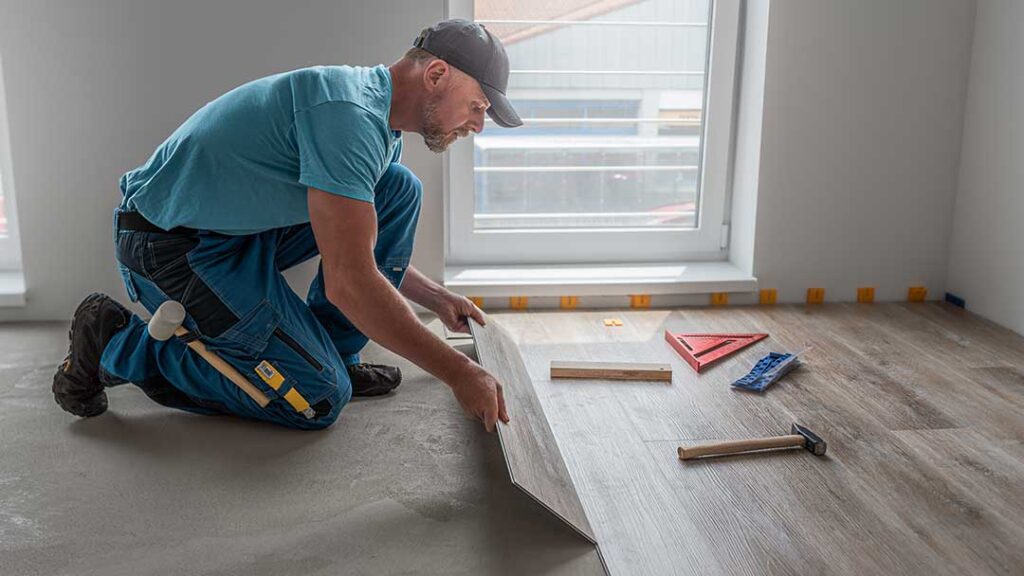
High-traffic rooms need flooring that can tolerate repeated footsteps, tracked-in grit, moisture, furniture movement, and regular cleaning. For most households in Rochester, NY, the most durable choices are porcelain tile, luxury vinyl flooring, and well-finished concrete, with engineered hardwood and certain commercial-grade carpet products working well in specific situations.
Durability is not determined by material alone. Installation quality, subfloor condition, maintenance habits, moisture exposure, and the type of traffic a room receives all affect how long a floor performs.
Which flooring materials are most durable for busy areas?
Porcelain tile is usually the strongest choice for resisting scratches, dents, stains, and moisture. Luxury vinyl flooring offers a practical balance of resilience, comfort, and easier installation. Concrete can last for decades in suitable spaces, while engineered hardwood provides a warmer appearance but requires more care.
Porcelain tile
Porcelain tile is dense, hard, and highly resistant to water absorption. It is well suited to entryways, kitchens, mudrooms, laundry areas, and hallways where dirt and moisture are common.
Its main advantages include:
- Strong resistance to scratching and indentation
- Low water absorption
- Easy cleaning
- Long service life when properly installed
- Compatibility with radiant heating systems in some installations
The drawbacks are its hard surface and potential slipperiness when wet. Grout joints can also collect soil if they are not cleaned periodically. Large or uneven furniture may be more difficult to move across tile, and dropped dishes are more likely to break.
Luxury vinyl flooring
Luxury vinyl flooring, including plank and tile formats, is often a practical option for households that want durability without the hardness of ceramic or porcelain. Quality products resist everyday scratching, staining, and moisture, although performance varies by construction and wear-layer thickness.
It is commonly used in:
- Main-level living areas
- Kitchens
- Hallways
- Finished lower levels
- Entry zones
Luxury vinyl is more comfortable underfoot than tile and generally easier to replace in sections if damage occurs. However, it can still be cut by sharp objects, dented by narrow furniture feet, or affected by excessive heat and direct sunlight. A smooth, stable subfloor is essential because irregularities may show through the finished surface.
Concrete
Concrete is extremely durable when the slab is structurally sound and properly sealed. It can be a good fit for lower levels, utility spaces, contemporary interiors, and areas where moisture resistance matters more than softness.
Concrete does not automatically mean maintenance-free. It may develop cracks from building movement or moisture pressure, and unsealed surfaces can absorb spills. Rugs with suitable non-staining backing can improve comfort, but they should not trap moisture against the slab.
Engineered hardwood
Engineered hardwood is more dimensionally stable than many solid wood floors because it uses layered construction. It can perform well in moderately busy living rooms, dining areas, and hallways when protected from standing water and abrasive debris.
Its surface can still scratch or dent, and refinishing options depend on the thickness of the real wood wear layer. Engineered hardwood is not the ideal choice for areas that regularly receive wet boots, melting snow, or spills that may go unnoticed.
What is the best flooring for a Rochester entryway or mudroom?
For a high-use entryway or mudroom, porcelain tile and moisture-resistant luxury vinyl are generally the most practical choices. Both can handle tracked-in grit and seasonal wetness better than many wood and laminate products.
Local households deal with changing conditions throughout the year, including rain, snow, ice melt, road salt, and damp footwear. The entry floor should therefore be judged not only by scratch resistance but also by how easily it can be dried and cleaned.
Important details include:
- A textured but cleanable surface for traction
- Tight transitions between flooring materials
- A durable, washable mat placed inside the entrance
- Adequate space for wet footwear to dry
- Sealed or low-maintenance grout if tile is used
Very smooth tile can become slippery when wet, while deeply textured tile may hold grit. The most useful surface is often one that provides moderate traction without creating difficult cleaning grooves.
Is laminate flooring durable enough for high-traffic rooms?
Laminate flooring can be durable enough for living rooms, bedrooms, and hallways, but it is less forgiving of moisture than porcelain tile or waterproof-rated vinyl. Its resistance to scratching depends on the wear layer and product construction, while water damage often occurs at seams, edges, and transitions.
Laminate may be suitable where:
- Moisture exposure is limited
- Spills are cleaned promptly
- The subfloor is flat and stable
- Furniture is fitted with protective pads
- Abrasive dirt is kept off the surface
A common misconception is that every laminate floor is waterproof. Water-resistant and waterproof are not interchangeable descriptions, and product instructions should be checked carefully before installation in kitchens, entryways, or lower levels.
Does carpet work in high-traffic areas?
Carpet can perform well in busy areas if it has a dense construction, suitable fiber, and a durable backing. Low-pile carpet is usually easier to maintain than deep, soft styles in hallways and family rooms.
Carpet is often a reasonable choice for:
- Bedrooms
- Upper-level hallways
- Home offices
- Family rooms where sound reduction matters
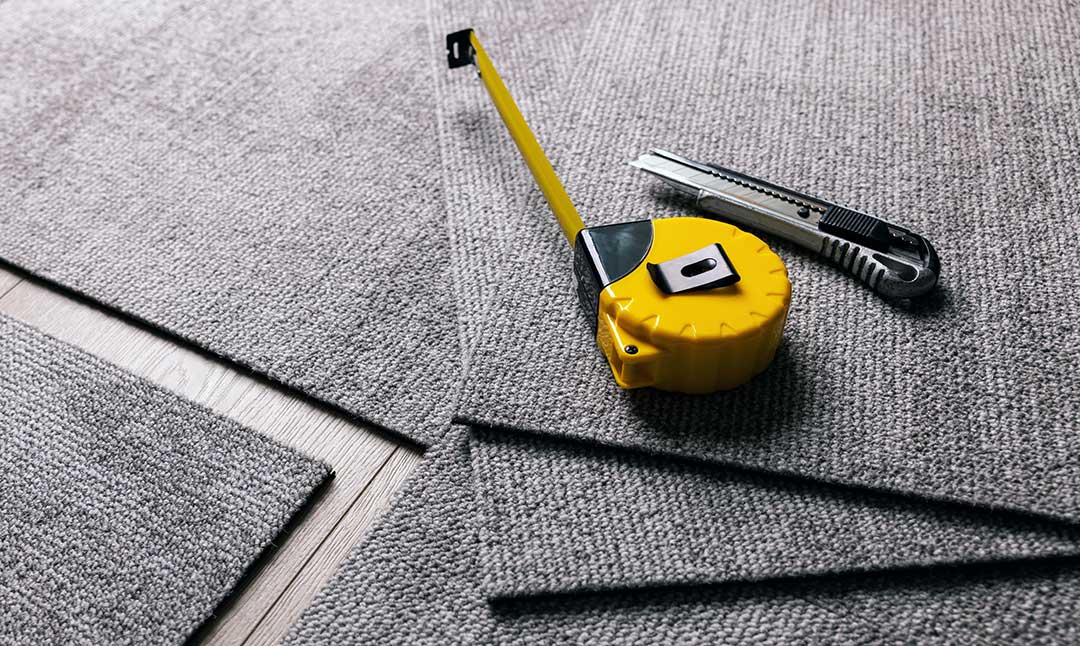
It is less suitable for entrances where salt, mud, and melting snow are regularly carried indoors. Carpet can also hold allergens and moisture if spills are not dried thoroughly. Carpet tiles may offer easier spot replacement in some settings, but seams can remain visible depending on the product and installation.
What features matter more than the flooring label?
The product category provides only part of the answer. Two floors made from the same general material may perform very differently because of their wear layer, finish, thickness, installation method, or maintenance requirements.
Before choosing, consider:
- Traffic type: Foot traffic, pets, rolling chairs, toys, and furniture movement create different kinds of wear.
- Moisture exposure: Entryways and lower levels need more moisture tolerance than bedrooms.
- Subfloor condition: Uneven or damp subfloors can shorten the life of almost any flooring.
- Cleaning routine: Textured surfaces may hide dirt but can require more effort to clean.
- Repairability: Individual vinyl planks, tile, and some hardwood products can be replaced or refinished more readily than others.
- Comfort and sound: Tile and concrete are hard and reflective, while vinyl, wood, and carpet absorb more sound and feel warmer.
Durability also depends on the transition between rooms. A resilient entryway floor may still fail prematurely if water repeatedly reaches an unprotected wood or laminate edge nearby.
How can a durable floor last longer?
Routine maintenance has a major effect on service life. Abrasive grit acts like sandpaper under footwear, especially near entrances and in hallways.
Useful habits include:
- Vacuuming or sweeping high-traffic paths regularly
- Using entrance mats that can be cleaned and dried
- Placing felt or non-staining protective pads under furniture
- Lifting furniture instead of dragging it
- Cleaning spills before they reach seams or grout
- Following the flooring manufacturer’s cleaning instructions
- Avoiding steam, excessive water, or harsh chemicals unless specifically approved
The most durable floor is not always the hardest one. A practical choice matches the room’s moisture, comfort, appearance, cleaning needs, and expected traffic. For many busy areas, porcelain tile provides the highest resistance to wear, while quality luxury vinyl offers a strong combination of durability, comfort, and everyday practicality.