

 See My Latest Article on HelloNation
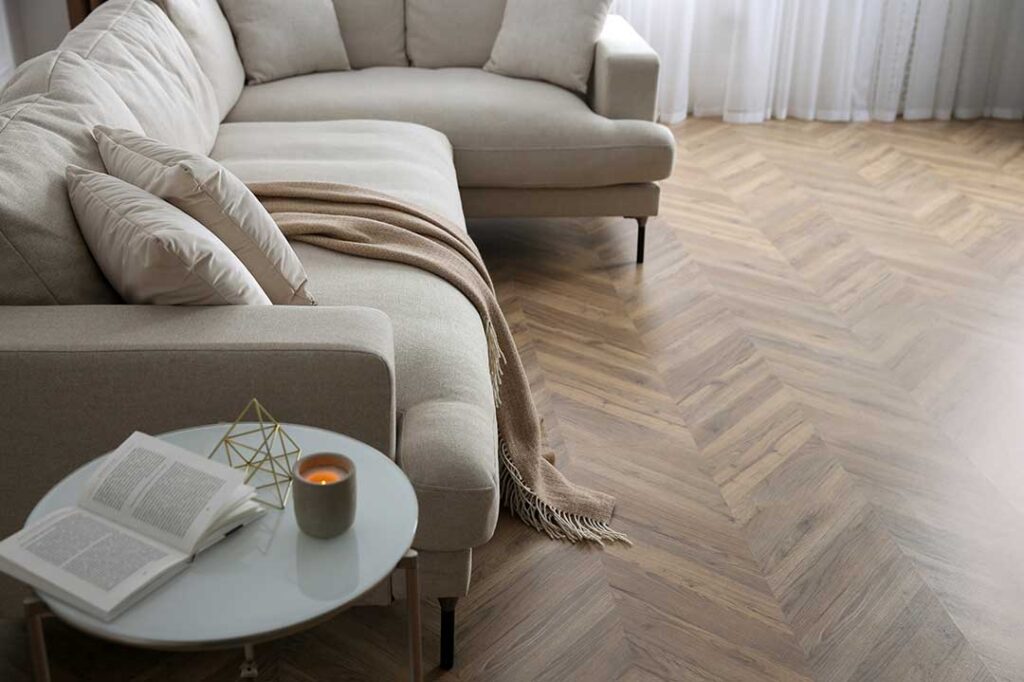
What Should Rochester, NY Residents Know Before Starting a Laminate Flooring Project?
Preparation is just as essential as the installation itself for any laminate flooring project. In this area, local homes often feature a mix of hardwood, tile, and carpet, and climate-related factors—like winter road salt, high humidity during the summer, and basement moisture—can affect installation success.
Always allow laminate planks to acclimate inside your home for at least 48 hours before starting. This helps prevent warping or separation after installation as the material adjusts to temperature and humidity conditions found in Rochester area houses.
Read through all manufacturer instructions before beginning and gather supplies, including:
- Laminate flooring of your choice (+10% for cuts/waste)
- Underlayment appropriate for your subfloor type
- Spacers, tape measure, pencil, utility knife, saw, tapping block, pull bar, and hammer
What Kind of Subfloor is Suitable for Laminate Flooring in Rochester Homes?
Most Rochester homes have plywood or concrete subfloors—both can work, but each requires different preparation. Laminate is designed to float, meaning it's not directly glued or nailed down, but proper subfloor condition is crucial for longevity.
Check that your subfloor is:
- Clean, dry, and completely level (variations greater than 1/8 inch over 6 feet can cause issues)
- Free from mold or lingering moisture, especially in basements or older homes
- Tightly secured, with any squeaks or flex addressed before starting
A vapor barrier is important over concrete, below-grade installations (like basements), or any area with occasional moisture risk. For upper floors with wood subfloors, underlayment alone typically suffices.
How Do You Plan the Layout and Cutting for Laminate Flooring?
Planning your layout helps avoid narrow slivers of flooring at room edges and creates a more professional look. Measure the room’s width, divide by the width of a plank, and check the size of the final row. Adjust your starting row or trim plank width if needed to ensure balanced edge rows on both sides.
Leave an expansion gap of at least 1/4 inch around the entire perimeter, including doorways and pipes, to allow for seasonal changes—critical in the fluctuating climate experienced locally.
Common mistakes include starting with a full-width plank without planning, or failing to stagger seams. Plank joints should be offset by at least 8 inches from one row to the next for both appearance and stability.
For cutting around irregular shapes—like door jambs or radiators often found in local homes—a jigsaw or oscillating multi-tool provides best results. Always cut laminate with the decorative side up to reduce chip-out.
What Installation Technique Should You Use, and What Tools Are Required?
Laminate flooring uses click-lock edges, which snap together without glue or nails. Start installation from one corner of the room, typically along the longest wall, and work row by row.
1. Lay down underlayment/vapor barrier first, following product overlap instructions to prevent gaps.
2. Insert spacers between the first row and the wall to maintain the necessary expansion gap.
3. Interlock planks by angling the tongue into the groove and pressing down. Tap planks gently together using a tapping block for a snug fit without damaging the edges.
4. Stagger joints for a natural look and enhanced strength.
5. Trim the final row to width, remembering the expansion gap, and use a pull bar to secure it in place.
Trim and thresholds will cover expansion gaps for a finished appearance.
How Do Local Conditions Affect Laminate Flooring Durability?
Rochester sees freeze-thaw cycles, road salt tracking, and significant indoor-outdoor temperature changes, all of which can challenge flooring systems. Laminate stands up reasonably well to moderate traffic and humidity, but isn't waterproof. Avoid installing laminate in bathrooms or areas that regularly get wet.
To prevent premature wear:

- Use rugs near entryways to trap salt and moisture
- Add felt pads to furniture to avoid scratching
- Sweep or vacuum regularly to keep grit and debris from dulling the finish
In basements or lake-facing homes, consider an extra moisture barrier layer beneath the underlayment. This step can extend the life of your floor and prevent swelling from Rochester’s seasonal dampness.
What Are Some Frequent DIY Challenges and How Can You Avoid Them?
Missteps during the DIY process often relate to rushing or skipping detailed prep. Common issues include:
- Not leveling the floor fully, leading to bouncy or noisy planks
- Forgetting the expansion gap, causing buckling when indoor humidity rises
- Forcing planks together, which may chip the locking mechanism
Avoid these problems by:
- Checking each plank for damage before installation
- Keeping seams tight and rows straight as you progress
- Rechecking the expansion gap with spacers as you work around corners, pipes, and doorways
If you need to remove or reinstall a plank during installation, carefully disengage by lifting at the seam. Laminate is designed to be forgiving for DIYers, but extra care always helps.
Is Permitting or Special Disposal Required in the Area?
Individual homeowners don’t typically need permits for replacing flooring in private residences. However, for historic properties or multifamily buildings, check building or homeowners’ association rules before starting. Dispose of old carpet or flooring in accordance with local waste guidelines; many area residents use city or county bulk waste disposal days for large debris.