

 See My Latest Article on HelloNation
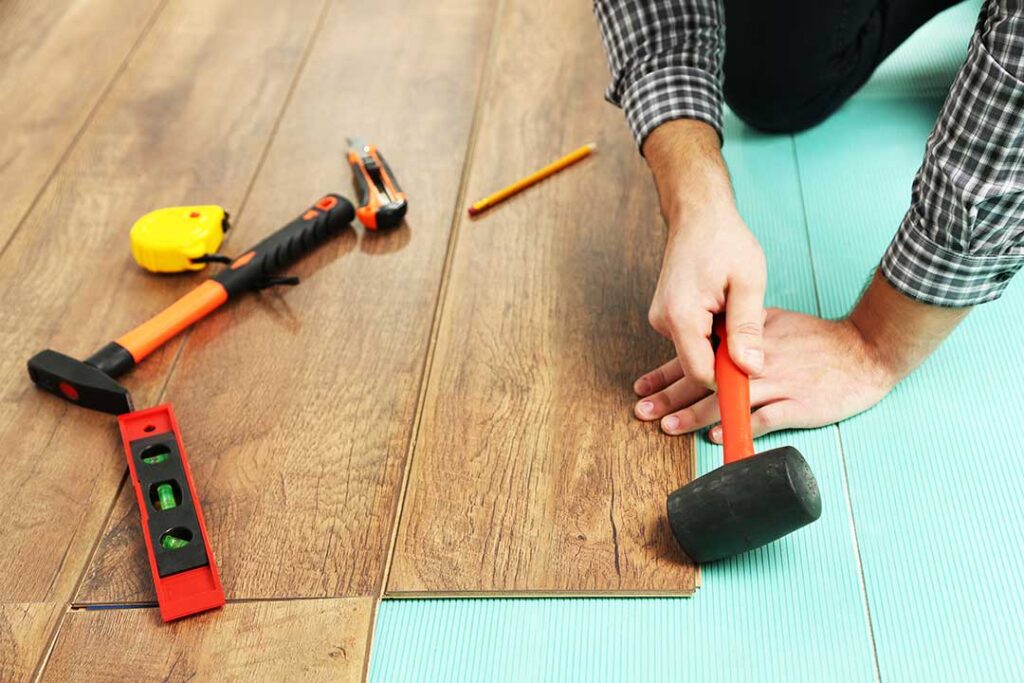
Before floor installation begins, the home should be cleared, cleaned, and kept within suitable temperature and humidity ranges. Good preparation protects furniture and belongings, gives installers safe working space, and helps flooring materials perform as intended after installation.
What should be done before the installation date?
Start by confirming which rooms will be affected and whether the work includes closets, hallways, thresholds, or transitions between flooring types. Preparation is easier when the full work area is understood in advance.
Remove small items from the room, including:
- Lamps, decorations, plants, electronics, and floor-level storage
- Books, toys, pet supplies, and loose clothing
- Curtains or fabric items that may collect dust
- Pictures or fragile objects near walls where vibration could occur
Furniture usually needs to be removed from the installation area. Large or delicate pieces may require special handling, so clarify in advance whether they should be moved, disassembled, or left in place. Do not assume that heavy appliances, beds, large cabinets, or other bulky items can remain where they are.
If flooring will continue into a closet, clear the closet completely. Leaving items inside can restrict access and create dust exposure.
How should furniture and personal belongings be protected?
The safest approach is to move belongings completely outside the work area whenever possible. Items left nearby can be damaged by dust, dropped tools, adhesive, or foot traffic.
Use these precautions:
- Place furniture in a clean, dry room that will not be used as a pathway.
- Wrap upholstered pieces with breathable furniture covers rather than sealing damp fabric in plastic for long periods.
- Protect fragile items separately instead of stacking them under heavy boxes.
- Keep electronics elevated and away from areas where dust or moisture may be present.
- Label boxes by room so belongings can be returned efficiently.
Plastic sheeting can help separate work areas, but it should not block required ventilation, heating equipment, doors, or exit routes. Avoid taping coverings directly to freshly painted surfaces unless the tape is designed for that use.
Should baseboards, doors, and appliances be removed?
Sometimes. The answer depends on the flooring material, the height of the new floor, and the condition of existing trim.
Baseboards may be removed when the new flooring needs expansion space or when a cleaner edge is desired. In other cases, trim can remain and be carefully undercut. Door casings may also need to be trimmed so the new flooring can fit beneath them without an oversized gap.
Doors can become difficult to open after installation if the finished floor is higher than the previous surface. This is especially relevant when replacing low-profile flooring with thicker materials or adding an underlayment. Check doors early, including closet doors and doors between rooms.
Appliances may need to be moved when flooring runs beneath them. Refrigerators, ranges, dishwashers, and laundry equipment can be heavy, connected to utilities, or difficult to reposition safely. Water, gas, and electrical connections should not be disconnected casually. If moving an appliance creates a risk of leakage, tipping, or utility damage, qualified assistance may be necessary.
What should happen to the existing flooring?
Do not remove old flooring automatically. Some materials can be installed over a suitable existing surface, while others require removal. The condition, flatness, moisture level, and attachment of the existing floor all matter.
Older flooring can present additional concerns. Materials installed decades ago may contain asbestos, particularly in some resilient floor tiles, sheet flooring, mastics, or older insulation products. Suspect materials should not be sanded, scraped, cut, or removed without proper evaluation. If the floor may contain hazardous material, pause preparation until the issue is addressed safely.
Carpet removal can expose tack strips, staples, dust, and uneven subfloor areas. Hard flooring removal may reveal adhesive residue, damaged plywood, concrete cracks, or areas affected by past moisture. These conditions can change the preparation needed before new flooring is installed.
How does Rochester’s climate affect preparation?
Rochester, NY has cold winters, humid summers, and noticeable seasonal changes. Flooring materials should be stored and installed in indoor conditions that are reasonably similar to the environment where they will remain.
Keep the home heated during cold-weather work and avoid storing flooring in an unheated garage, porch, shed, or vehicle. Sudden temperature changes can affect wood, laminate, vinyl, adhesives, and underlayment materials. In warmer or humid weather, excessive indoor moisture can also influence wood movement and adhesive performance.
Before installation:
- Keep windows and doors closed if outdoor air is unusually cold, hot, or humid.
- Maintain normal household temperature rather than turning the heat off.
- Address active leaks, damp basements, condensation, or standing water.
- Avoid storing cartons directly against damp masonry or concrete.
- Allow materials to acclimate when the product instructions require it.
The appropriate acclimation period varies by flooring type and manufacturer instructions. It should not be guessed from the calendar alone.
What happens to the subfloor before new flooring is installed?
The subfloor must be clean, dry, sound, and sufficiently flat for the selected flooring. Installation over a weak or uneven surface can lead to movement, squeaks, visible ridges, separated seams, or premature wear.
Preparation may include removing staples, scraping adhesive, repairing damaged panels, filling low areas, or correcting high spots. Concrete may require moisture testing before flooring or adhesive is placed. A subfloor that looks dry on the surface can still contain excess moisture below.
Homeowners can help by identifying known issues, such as:
- Previous plumbing leaks
- Basement dampness or seepage
- Areas that squeak, flex, or feel soft
- Uneven transitions between rooms
- Cracks in concrete
- Flooring that has lifted, swollen, or separated
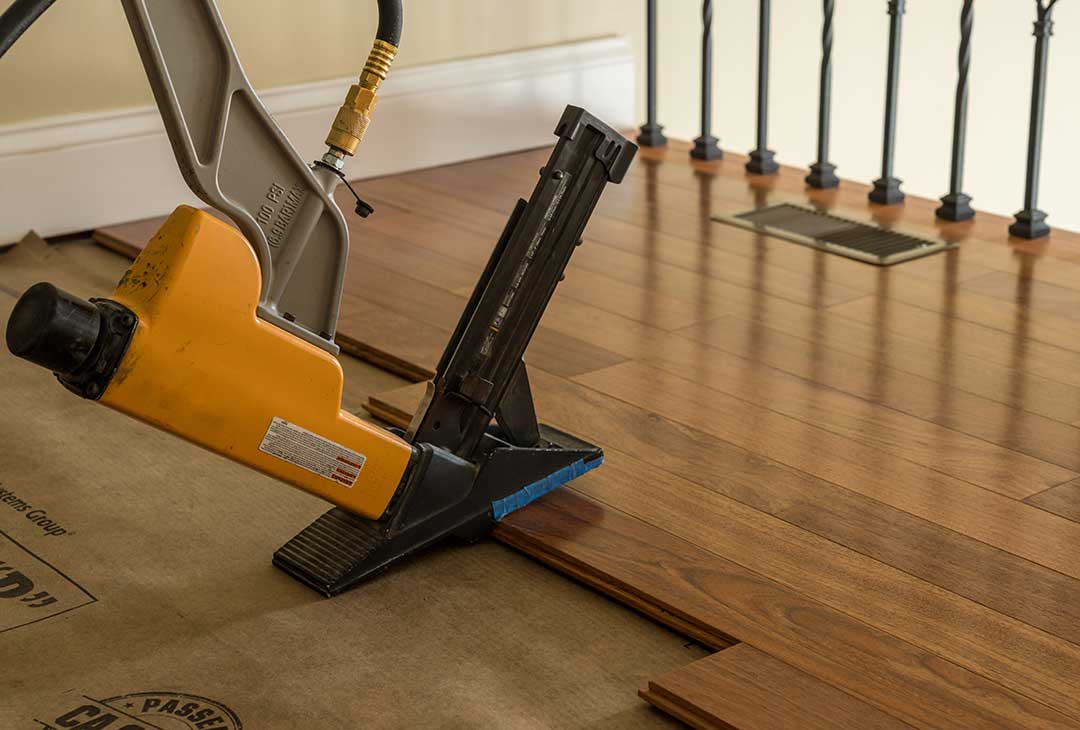
Do not cover a moisture problem simply because the surface appears clean. The cause should be corrected before new materials conceal the area.
How can dust, noise, and household disruption be managed?
Floor installation is often noisy and may produce dust, odors, or vibration. Plan for the room to be unavailable during the work and possibly for a period afterward.
Make arrangements for children and pets to stay away from the work zone. Pets can be startled by noise, step on adhesive, or escape through open doors. Children should not enter the area to inspect progress.
For household comfort:
- Move medications, food, and personal care items away from dusty rooms.
- Cover or relocate items in nearby open shelving.
- Close interior doors where possible.
- Identify a safe path through the home before work begins.
- Plan meals if the kitchen floor will be inaccessible.
- Keep required medications, chargers, documents, and clothing outside the work area.
Some adhesives, finishes, or cleaning products may produce odors. Ventilation should follow the flooring and product instructions, especially during cold weather when opening windows may affect indoor conditions.
What should be checked after installation?
Do not immediately place heavy furniture, rugs, or appliances on the new floor unless the installation instructions allow it. Adhesives, finishes, and floating floors may need time before normal use.
Inspect the room under good lighting for obvious concerns such as:
- Gaps at walls or transitions
- Damaged boards, planks, or tiles
- Loose edges or raised sections
- Doors that no longer open properly
- Missing trim or unfinished thresholds
- Visible adhesive or construction debris
Use the recommended cleaning method for the flooring type. Excess water, steam, harsh cleaners, and abrasive tools can damage some surfaces or interfere with curing materials.
A well-prepared room gives the flooring a better chance to remain stable, clean, and comfortable through Rochester’s changing seasons. The most useful preparation is not complicated: clear the space, protect belongings, address moisture and subfloor problems, maintain normal indoor conditions, and keep people and pets safely away from the work area.