

 See My Latest Article on HelloNation
What Types of Flooring Are Standing Out Among Rochester, NY Households?
Residents are gravitating toward options that balance durability, comfort, and style—especially those that can handle the ups and downs of lake-effect weather and wide seasonal shifts. This year, interest centers on waterproof materials, natural finishes, and surfaces that are easy to keep clean during messy winters and humid summers.
Vinyl plank flooring, especially styles that convincingly mimic hardwood or stone, has become a mainstay due to its cost-effectiveness and tolerance for moisture tracked in from rain or snow. Engineered hardwood is gaining attention as it offers the classic look of real wood but with improved stability, which is practical in homes with variable humidity. For those seeking maximum warmth and insulation, new carpet textures—such as high-pile with built-in stain resistance—remain solid choices for bedrooms and family zones.
Why Are Waterproof and Water-Resistant Floors More Popular Now?
Many locals are choosing these surfaces for kitchens, entryways, basements, and even bathrooms, where fluctuations in temperature and humidity are common. Modern waterproof flooring, such as luxury vinyl planks and certain composite tiles, prevents warping, swelling, or mold growth, which is especially valuable in the thaw/freeze cycles familiar to area homes. Unlike older sheet vinyl or laminate, today’s options are thicker and more realistic in appearance, making them a strong substitute for natural wood or ceramic.
How Are Households Using Flooring to Improve Indoor Air Quality?
A growing number of residents are paying attention to what their floor is made from—both for comfort and for health. Low-VOC (volatile organic compound) finishes and adhesives are desirable as they reduce indoor air pollution, especially after installation. Many current carpets and hard surfaces like bamboo or cork are now available with low-emission certifications, contributing to a healthier home environment, particularly during winter when windows are often shut tight.
Are Lighter Colors or Darker Shades Winning Out for Local Floors?
There’s a clear tilt toward lighter, natural finishes in spaces where more light is desired and where the goal is to make rooms feel more open and airy during long, gray months. Blond oaks, neutral beiges, and whitewashed woods are becoming more common in living areas and kitchens, complementing a shift toward Scandinavian-inspired interior trends. However, deeper tones—like walnut or charcoal—are still being selected for formal dining rooms or dens, as they mask dirt in high-traffic or pet-friendly homes.
What About Eco-Friendly and Sustainable Flooring—Is That Trending?
Interest in sustainable flooring is growing, with more homeowners searching for options like cork, bamboo, and reclaimed or recycled materials. These floors appeal because they’re rapidly renewable or repurposed, and advances in manufacturing have improved their resistance to moisture and wear—practical for the city's mixture of older and newer properties.
Recent weather extremes have also pushed more people to consider insulation and energy efficiency when choosing floors. Materials with natural insulation qualities, like wool loop carpet or thick underlayment beneath laminate or engineered wood, keep floors warmer underfoot and help reduce heating needs in the cold season.
Are Patterned and Textured Floors Being Used in Local Homes?
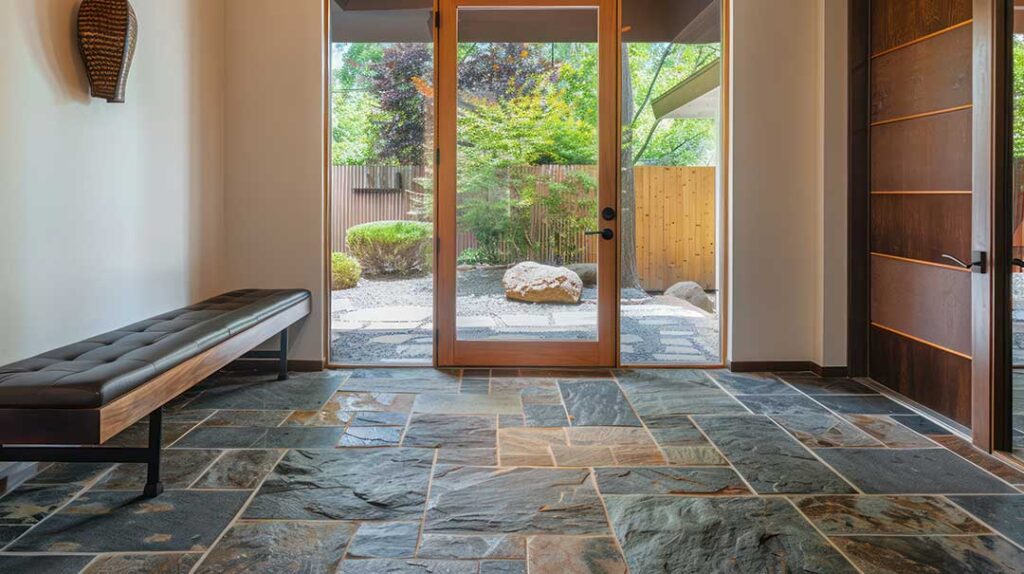
Patterned layouts—from classic herringbone to bold geometric tile—allow homeowners to personalize kitchens, foyers, and bathrooms. Textured surfaces, including wire-brushed wood and hand-scraped finishes, are popular for adding character and hiding the scuffs that inevitably occur in entryways or recreation rooms.
It’s increasingly common for area households to mix flooring types across open-plan layouts: durable, waterproof planks in kitchens that flow into softer, neutral-tone carpets in adjacent living spaces.
What Common Misconceptions Do Residents Have About Current Flooring Materials?
Some believe that visually attractive flooring is always high-maintenance or that only solid wood offers genuine durability. In reality, advances in wear layers and protective coatings make even affordable laminates and vinyls suitable for heavy use, pets, or children. Another misconception is that sustainable materials are all delicate; while some (like old-school cork) required frequent resealing, newer versions are engineered specifically for durability.
Care routines for newer surfaces are often simpler as well—many only require regular sweeping and a damp mop, as opposed to waxing or special treatments. For allergy-prone households, newer carpets made of solution-dyed fibers can be a practical, low-maintenance option.
What Choices Suit Busy Families, Renters, or Historic Properties?
Area families frequently ask about the best surfaces for resisting spills, scratches, and shifting temperatures. For busy homes, luxury vinyl plank and high-quality laminate flooring remain go-to solutions, especially in active zones like mudrooms or playrooms. Meanwhile, many landlords and tenants choose click-together floating floors for their ability to be installed without permanent changes—a benefit in rental scenarios.
For historic homes, engineered hardwood can be a sensitive update, providing stability that solid planks sometimes struggle with in uninsulated or drafty rooms. Options that resemble traditional styles but offer greater resilience help preserve original character while delivering practical performance in everyday life.